
Born on Halloween, 1795, John Keats (d. 1821) was a tragic character, a romantic, and a poet. Considered a key figure amongst the second generation of British Romantic poets following in the footsteps of William Wordsworth, William Blake, and Samuel Taylor Coleridge, Keats and his young contemporaries were more open to exploring the space in which the Romantic and Gothic literary movements naturally intersected.
I had intended* to explore a few of Keats’ expressions of the Gothic over the remaining days of the Dark Poetics over on Instagram, but today I want to follow the whispers of Keats’ own muses, whilst taking you on a journey through the poet’s home.
*time is a very loose concept right now, and who knows what may happen and when…

𝕿𝖍𝖊 𝕽𝖔𝖒𝖆𝖓𝖙𝖎𝖈
Often referenced as the closest literary relative to the early Gothic novel, Romanticism was a movement which began in 18th century Britain. The Romantic poets rejected reason, celebrated individuality, and put their faith in nature. They believed in a new world order without order – an unruly world, wild, true, and free.
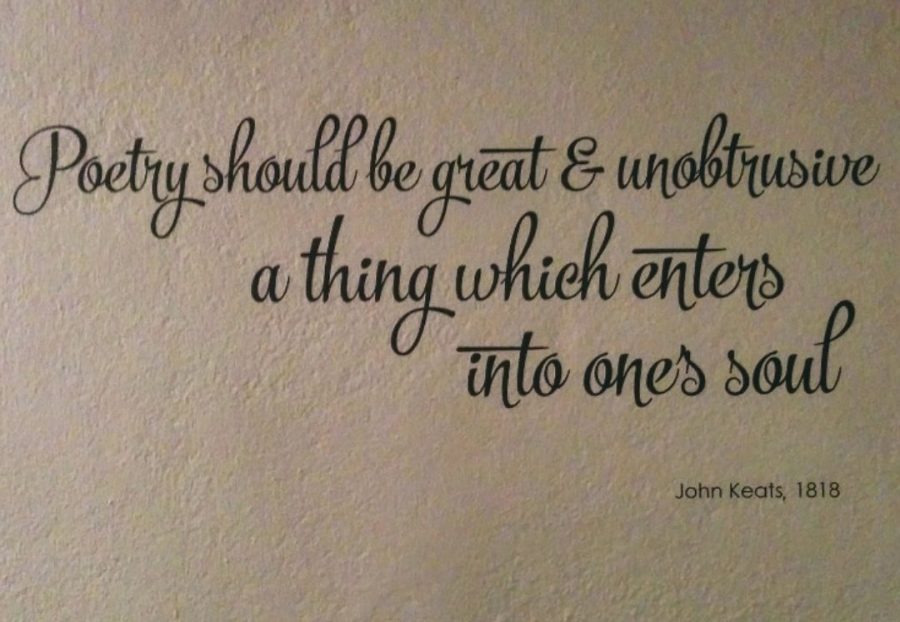
Their understanding was that poetry was an innate language of the soul. It could not be learnt; a poet was born a poet, duty-bound.
𝕿𝖍𝖊 𝕾𝖚𝖇𝖑𝖎𝖒𝖊
Though they revered nature – the physical world was “Great universal teacher!” (Coleridge, ‘Frost at Midnight’, 1798), and the human was encouraged to live upon instinct and emotion – so too did the Romantics acknowledge the sublime.
Sublimity is a philosophical theory of aesthetics which attempts to define the simultaneous feelings of awe and terror evoked, in Romantic terms, by nature. A thunderstorm, for example, which lights up the night sky in sparkling beauty, and crashes down with terrifying vengeance, offering a stark reminder of our mortal fragility, is sublime.
Within the sublime, these poets believed, existed Enlightenment…
And, in the terror within the sublime: ecstasy.
Nature is a wild beast in many early Gothic texts, and it’s easy to see the progression from one literary movement to the next. They found inspiration in the same places, and in each other.
Keats’ first poetry collection was published in 1817. A year later he spent the summer on a walking tour through Scotland and the Lake District. On his return south, Keats became nurse to his younger brother, Tom, who soon died of tuberculosis. This prolonged exposure to the same disease that would later kill the poet is pinpointed, by some biographers, as the moment his sad fate was sealed.

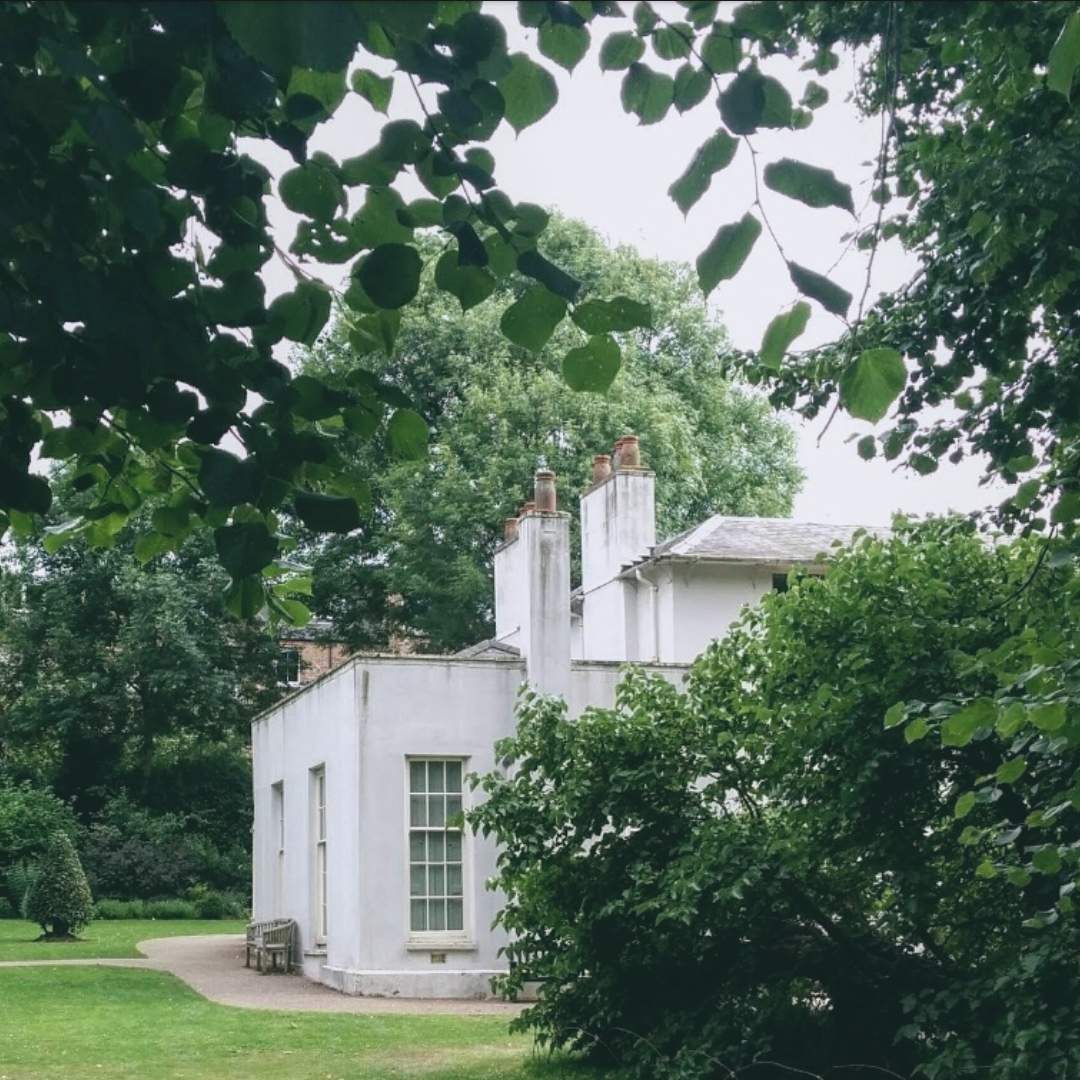
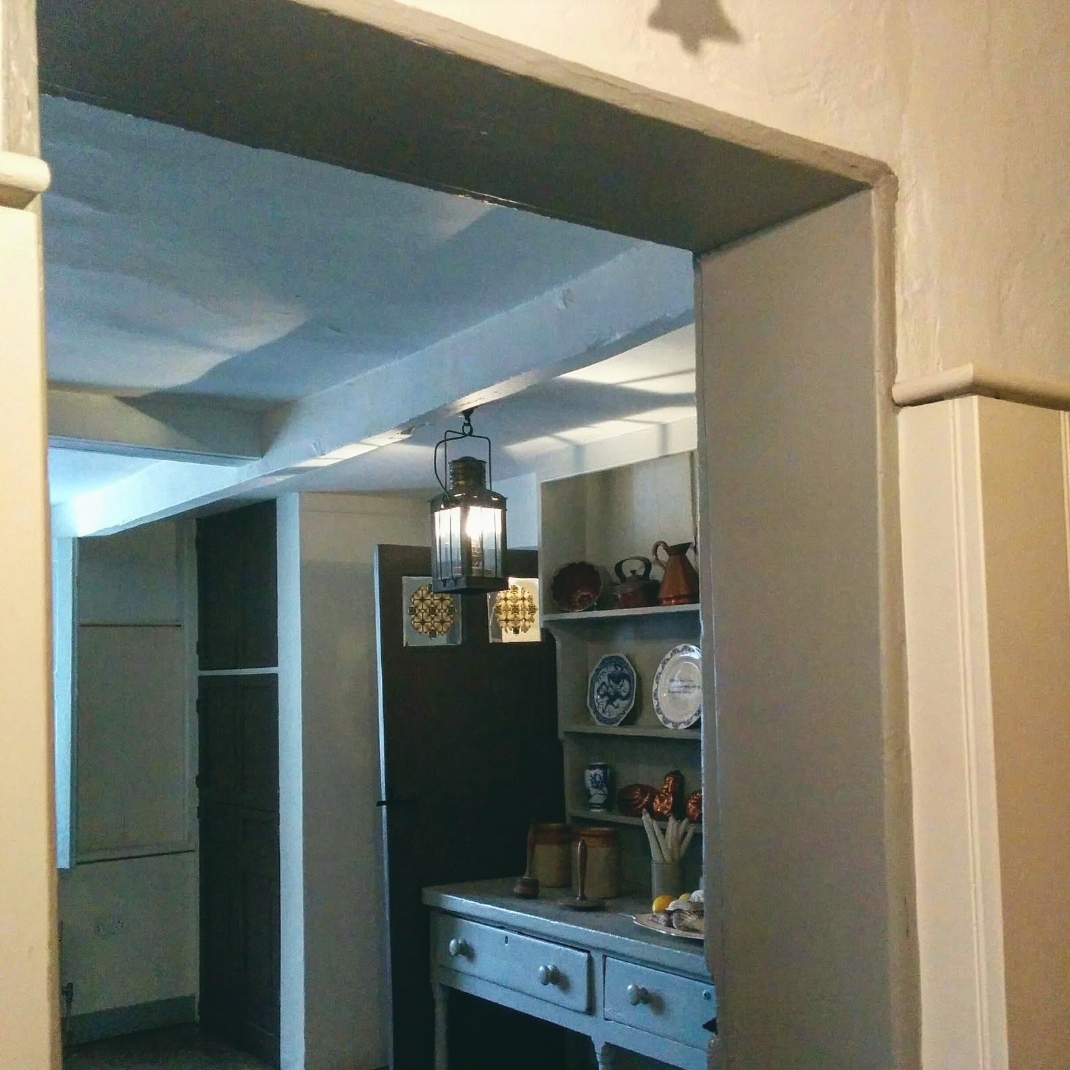
On the 1st of December that year, Keats moved into lodgings at Wentworth Place, now known as Keats House (the lack of apostrophe perturbs me, but who am I to edit the collective decision of the City of London?). He lived there, with his friend Charles Armitage Brown (1787-1842), from 1818 to 1820.
𝕿𝖍𝖊 𝕸𝖚𝖘𝖊
During these two years, which were close to his last, Keats became acquainted with the teen-aged Frances Brawne (1800-1865). Known as ‘Fanny’, Brawne and her widowed mother moved into their own lodgings housed within Wentworth Place in 1819. Though biographers disagree whether it was originally composed before or after their meeting, Brawne was the unarguable recipient of ‘Bright Star’ (a love sonnet, c. 1820), and Keats’ adoration.

More on their relationship can be learnt in the enchanting 2009 biopic, which is named for the poem, but for the purpose of this discussion, it’s only important to acknowledge that it began with book-borrowing.
Dante Alighieri’s hellish epic, Inferno (1472) was amongst the first works Keats lent to Brawne. The young poet had grown attached to the poem during his English walking tour. In the April of 1819, the very same month that Brawne had moved to Wentworth, Keats wrote to his brother, George:
“𝔗𝔥𝔢 𝔣𝔦𝔣𝔱𝔥 𝔠𝔞𝔫𝔱𝔬 𝔬𝔣 𝔇𝔞𝔫𝔱𝔢 𝔭𝔩𝔢𝔞𝔰𝔢𝔰 𝔪𝔢 𝔪𝔬𝔯𝔢 𝔞𝔫𝔡 𝔪𝔬𝔯𝔢 – 𝔦𝔱 𝔦𝔰 𝔱𝔥𝔞𝔱 𝔬𝔫𝔢 𝔦𝔫 𝔴𝔥𝔦𝔠𝔥 𝔥𝔢 𝔪𝔢𝔢𝔱𝔰 𝔴𝔦𝔱𝔥 𝔓𝔞𝔲𝔩𝔬 𝔞𝔫𝔡 𝔉𝔯𝔞𝔫𝔠𝔥𝔢𝔰𝔠𝔞 – ℑ 𝔥𝔞𝔡 𝔭𝔞𝔰𝔰𝔢𝔡 𝔪𝔞𝔫𝔶 𝔡𝔞𝔶𝔰 𝔦𝔫 𝔯𝔞𝔱𝔥𝔢𝔯 𝔞 𝔩𝔬𝔴 𝔰𝔱𝔞𝔱𝔢 𝔬𝔣 𝔪𝔦𝔫𝔡 𝔞𝔫𝔡 𝔦𝔫 𝔱𝔥𝔢 𝔪𝔦𝔡𝔰𝔱 𝔬𝔣 𝔱𝔥𝔢𝔪 ℑ 𝔡𝔯𝔢𝔞𝔪𝔱 𝔬𝔣 𝔟𝔢𝔦𝔫𝔤 𝔦𝔫 𝔱𝔥𝔞𝔱 𝔯𝔢𝔤𝔦𝔬𝔫 𝔬𝔣 ℌ𝔢𝔩𝔩. 𝔗𝔥𝔢 𝔡𝔯𝔢𝔞𝔪 𝔴𝔞𝔰 𝔬𝔫𝔢 𝔬𝔣 𝔱𝔥𝔢 𝔪𝔬𝔰𝔱 𝔡𝔢𝔩𝔦𝔤𝔥𝔱𝔣𝔲𝔩 𝔢𝔫𝔧𝔬𝔶𝔪𝔢𝔫𝔱𝔰 ℑ 𝔢𝔳𝔢𝔯 𝔥𝔞𝔡 𝔦𝔫 𝔪𝔶 𝔩𝔦𝔣𝔢 – ℑ 𝔣𝔩𝔬𝔞𝔱𝔢𝔡 𝔞𝔟𝔬𝔲𝔱 𝔱𝔥𝔢 𝔴𝔥𝔦𝔯𝔩𝔦𝔫𝔤 𝔞𝔱𝔪𝔬𝔰𝔭𝔥𝔢𝔯𝔢 𝔞𝔰 𝔦𝔱 𝔦𝔰 𝔡𝔢𝔰𝔠𝔯𝔦𝔟𝔢𝔡 𝔴𝔦𝔱𝔥 𝔞 𝔟𝔢𝔞𝔲𝔱𝔦𝔣𝔲𝔩 𝔣𝔦𝔤𝔲𝔯𝔢 𝔱𝔬 𝔴𝔥𝔬𝔰𝔢 𝔩𝔦𝔭𝔰 𝔪𝔦𝔫𝔢 𝔴𝔢𝔯𝔢 𝔧𝔬𝔦𝔫𝔢𝔡 𝔦𝔱 𝔰𝔢𝔢𝔪’𝔡 𝔣𝔬𝔯 𝔞𝔫 𝔞𝔤𝔢 – 𝔞𝔫𝔡 𝔦𝔫 𝔪𝔦𝔡𝔰𝔱 𝔬𝔣 𝔞𝔩𝔩 𝔱𝔥𝔦𝔰 𝔠𝔬𝔩𝔡 𝔞𝔫𝔡 𝔡𝔞𝔯𝔨𝔫𝔢𝔰𝔰 ℑ 𝔴𝔞𝔰 𝔴𝔞𝔯𝔪…”
It is easy to imagine the passionate young man interpreting the now daily presence of Fanny in his life as a direct actualisation of his dreams. She would become his muse, and in the autumn of that same year, his secret fiancée.

𝕿𝖍𝖊 𝕰𝖕𝖎𝖈
Inspired by Henry Francis Cary’s (1772-1844) translation, Keats penned his own lines of poetry directly onto his copy of the text – the very one which he gave to Brawne. Later published as ‘A Dream, After Reading Dante’s Episode of Paolo and Francesca’ (1820), these lines may well have been written specifically for Fanny, suggesting the power which the woman had upon him as muse.
Dante Gabriel Rossetti (poet, artist, and founder of the Pre-Raphaelite Brotherhood, 1828-1882) referred to the piece as “by far the finest of Keats’ sonnets […] besides that on Chapman’s Homer” (in a letter to Henry Buxton Forman, 1880), which also demonstrates the continued inspiration Keats found in the epics.
Cary’s translation of Dante was bold and unfaithful; he spoke with his own voice and even changed the title from the Divine Comedy to The Vision. Regardless, it was initially popular amongst the Romantics.
Peter Levine states that, in Keats’ favourite episode of Inferno, “[w]hen Dante told Francesca’s story, he deliberately set passion in conflict with morality” (‘Keats against Dante: The Sonnet on Paolo and Francesca’, Keats-Shelley Journal, 2002). Levine argues that Dante was, at least in part, preaching the moral worth of resisting temptation, but that Keats and his fellow Romantics chose to interpret things differently.
Rather than focusing upon a moral battle of good versus evil, the Romantics, according to Levine, saw Francesca as a tragic heroine fighting for love. Along with Immanuel Kant (German Philosopher, 1724 – 1804), Dante believed that to be astounded by the splendour of nature led to moral betterment. This is the sublime.
Whilst the Romantics did agree that the sublime, as I previously mentioned, was thus a route to enlightenment, they were less opposed to the presence of sin. It was in the sin, after all, that the ecstasy was to be found. The reading of Inferno that Levine asserts they favoured was ‘anti-sublime’, or a subversion of the sublime. And, when subversion is mentioned, my mind makes only one (generally Gothic) connection!
Dante’s Divine Comedy (of which the Inferno is just one part) paved the way for the Gothic, introducing many themes and ideas which were repeated so frequently that they remain tropes of the mode to this day.
Unlike the first wave of Romantic poets, Keats did not exist in an anti-Gothic literary space. Whilst the older poets were reluctant to even acknowledge the Gothic as literature, Keats was rapidly consuming their work.
𝕿𝖍𝖊 𝕲𝖔𝖙𝖍𝖎𝖈
According to Gothic and Romantic scholar, Douglass Thomson, Keats read the following Gothic texts:-
Vathek, William Beckford (1787),
Wieland, Charles Brockden Brown (1798),
Caleb Williams (1794) and St Leon (1799), both William Godwin,
The Monk, Matthew Lewis, (1796),
Bertram (1815) and Manuel (1816), both Charles Maturin,
Nightmare Abbey (1818) and Headlong Hall (1816), both Thomas Love Peacock,
and The Mysteries of Udolpho, Ann Radcliffe (1794).

Last on Thomson’s list is Radcliffe. In a letter to John Hamilton Reynolds (1818), Keats wrote:
“ℑ 𝔞𝔪 𝔤𝔬𝔦𝔫𝔤 𝔞𝔪𝔬𝔫𝔤 𝔰𝔠𝔢𝔫𝔢𝔯𝔶 𝔴𝔥𝔢𝔫𝔠𝔢 ℑ 𝔦𝔫𝔱𝔢𝔫𝔡 𝔱𝔬 𝔱𝔦𝔭 𝔶𝔬𝔲 𝔱𝔥𝔢 𝔇𝔞𝔪𝔬𝔰𝔢𝔩 ℜ𝔞𝔡𝔠𝔩𝔦𝔣𝔣𝔢 – ℑ’𝔩𝔩 𝔠𝔞𝔳𝔢𝔯𝔫 𝔶𝔬𝔲, 𝔞𝔫𝔡 𝔤𝔯𝔬𝔱𝔱𝔬 𝔶𝔬𝔲, 𝔞𝔫𝔡 𝔴𝔞𝔱𝔢𝔯-𝔣𝔞𝔩𝔩 𝔶𝔬𝔲, 𝔞𝔫𝔡 𝔴𝔬𝔬𝔡 𝔶𝔬𝔲, 𝔞𝔫𝔡 𝔴𝔞𝔱𝔢𝔯 𝔶𝔬𝔲, 𝔞𝔫𝔡 𝔦𝔪𝔪𝔢𝔫𝔰𝔢-𝔯𝔬𝔠𝔨 𝔶𝔬𝔲, 𝔞𝔫𝔡 𝔱𝔯𝔢𝔪𝔢𝔫𝔡𝔬𝔲𝔰-𝔰𝔬𝔲𝔫𝔡 𝔶𝔬𝔲, 𝔞𝔫𝔡 𝔰𝔬𝔩𝔦𝔱𝔲𝔡𝔢 𝔶𝔬𝔲.”
Relaying a windy walk which nearly ended in tragedy to his friend, Keats playfully evokes the superstition and sublime of the natural world which exists in Radcliffe, the Romantic, and, of course, the Gothic. Whilst it’s a wonder he didn’t think instead of Walpole – the incident he’s describing is a near-miss with a chimney tumbling from the sky! – Radcliffe appeared dear to Keats… So much so that in a letter to his brother George on Valentine’s Day, 1819, he affectionately referred to her as “Mother Radcliff [sic].”

Radcliffe was clearly an important influence upon his work. In that same letter to George, Keats lists ‘Isabella, or the Pot of Basil’ (1820), ‘The Eve of St. Agnes’ (1820), and ‘The Eve of St. Mark’ (unfinished fragment) as all divinely inspired by the Gothic novelist.
In an exploration of the Gothic sublime and anti-sublime, Alison Milbank, a priestess and literary scholar, states that “[i]n Radcliffe […], the sublime is often a shared, equalising experience” (‘From the Sublime to the Uncanny’, Gothick Origins and Innovations, 1994). Milbank continues, “this aesthetic is not merely a matter of individual emotion, but of universal claim.”
This, I think, captures the enduring appeal of Keats. He wrote centuries ago, with great skill and passion. He created fantasies and expressed realities, in a way which is no less relevant today than during his own tragically short lifetime.

In his last known letter, Keats wrote to his former housemate, Charles Armitage Brown. Dated the 30th of November, 1820, Keats wrote from Rome, where he had gone to convalesce from tuberculosis. His friend and his fiancée awaited him in England, not knowing that he was never to return.
“𝔗𝔦𝔰 𝔱𝔥𝔢 𝔪𝔬𝔰𝔱 𝔡𝔦𝔣𝔣𝔦𝔠𝔲𝔩𝔱 𝔱𝔥𝔦𝔫𝔤 𝔦𝔫 𝔱𝔥𝔢 𝔴𝔬𝔯𝔩𝔡 𝔱𝔬 𝔪𝔢 𝔱𝔬 𝔴𝔯𝔦𝔱𝔢 𝔞 𝔩𝔢𝔱𝔱𝔢𝔯. 𝔐𝔶 𝔰𝔱𝔬𝔪𝔞𝔠𝔥 𝔠𝔬𝔫𝔱𝔦𝔫𝔲𝔢𝔰 𝔰𝔬 𝔟𝔞𝔡, 𝔱𝔥𝔞𝔱 ℑ 𝔣𝔢𝔢𝔩 𝔦𝔱 𝔴𝔬𝔯𝔰𝔢 𝔬𝔫 𝔬𝔭𝔢𝔫𝔦𝔫𝔤 𝔞𝔫𝔶 𝔟𝔬𝔬𝔨 – 𝔶𝔢𝔱 ℑ 𝔞𝔪 𝔪𝔲𝔠𝔥 𝔟𝔢𝔱𝔱𝔢𝔯 𝔱𝔥𝔞𝔫 ℑ 𝔴𝔞𝔰 𝔦𝔫 𝔔𝔲𝔞𝔯𝔞𝔫𝔱𝔦𝔫𝔢. 𝔗𝔥𝔢𝔫 ℑ 𝔞𝔪 𝔞𝔣𝔯𝔞𝔦𝔡 𝔱𝔬 𝔢𝔫𝔠𝔬𝔲𝔫𝔱𝔢𝔯 𝔱𝔥𝔢 𝔭𝔯𝔬𝔦𝔫𝔤 𝔞𝔫𝔡 𝔠𝔬𝔫𝔫𝔦𝔫𝔤 𝔬𝔣 𝔞𝔫𝔶 𝔱𝔥𝔦𝔫𝔤 𝔦𝔫𝔱𝔢𝔯𝔢𝔰𝔱𝔦𝔫𝔤 𝔱𝔬 𝔪𝔢 𝔦𝔫 𝔈𝔫𝔤𝔩𝔞𝔫𝔡. ℑ 𝔥𝔞𝔳𝔢 𝔞𝔫 𝔥𝔞𝔟𝔦𝔱𝔲𝔞𝔩 𝔣𝔢𝔢𝔩𝔦𝔫𝔤 𝔬𝔣 𝔪𝔶 𝔯𝔢𝔞𝔩 𝔩𝔦𝔣𝔢 𝔥𝔞𝔳𝔦𝔫𝔤 𝔭𝔞𝔰𝔱, 𝔞𝔫𝔡 𝔱𝔥𝔞𝔱 ℑ 𝔞𝔪 𝔩𝔢𝔞𝔡𝔦𝔫𝔤 𝔞 𝔭𝔬𝔰𝔱𝔥𝔲𝔪𝔬𝔲𝔰 𝔢𝔵𝔦𝔰𝔱𝔢𝔫𝔠𝔢.”
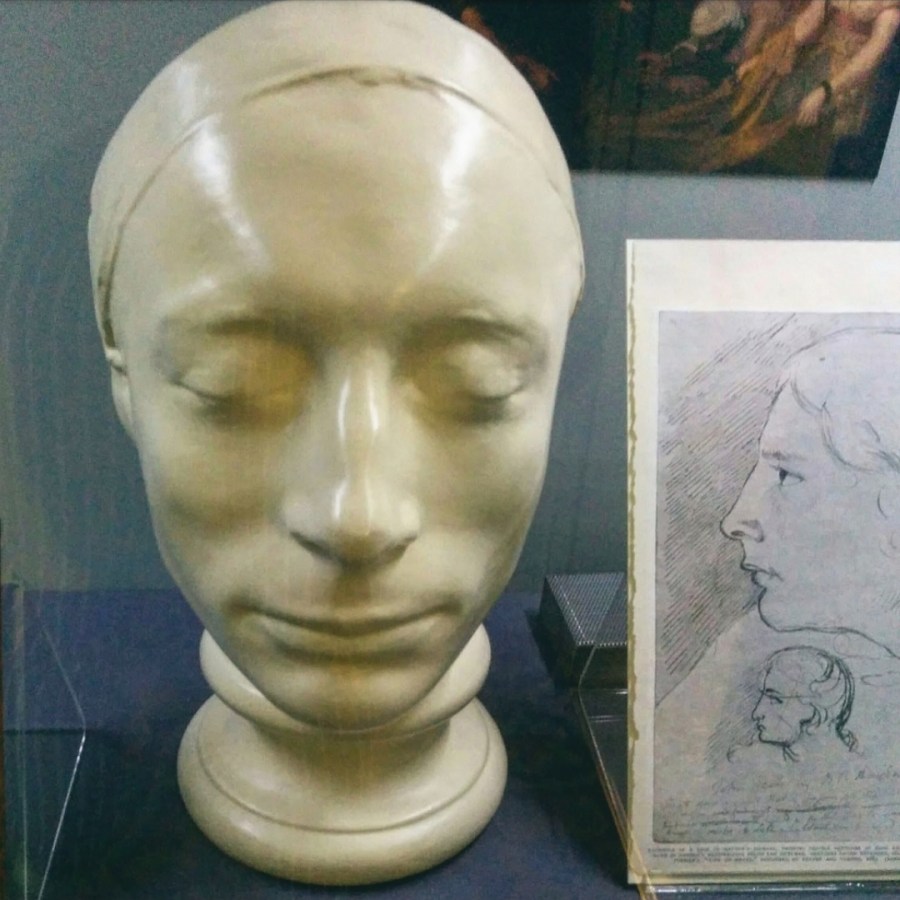
On Friday the 23rd of February, 1821, John Keats passed away in Rome, to live forever a poet’s posthumous existence.
~
This piece is published as part of my Dark Poetics series – click through to keep reading. If you’ve enjoyed this post, please consider making a small contribution towards my next tea or coffee, for they are the muses that fuel my own work!
 Generally Gothic
I love when Keats goes Gothic! “Isabella” and “The Eve of St Agnes” are some of my favourite poems of his, and the influence is so clear. I really found that reading list interesting, as I didn’t know what specifically had inspired him – so thanks!
LikeLiked by 1 person
Thanks for reading, Sam! Yes, Gothic Keats is the best ♥. My pleasure – I was similarly excited when I discovered it, and actually have yet to read the majority of texts on the list!
LikeLiked by 1 person
No me neither! I think “The Monk” is going to be first up for me 🙂
LikeLiked by 1 person
That’s one of the few I have read – you’re in for a wild ride! 😉
LikeLiked by 1 person
Oh lord so I’ve heard 😅 I’ll let you know when I manage it!
LikeLiked by 1 person